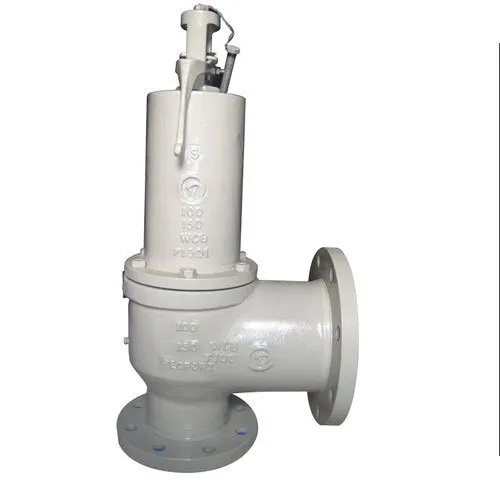
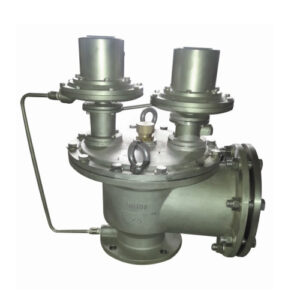
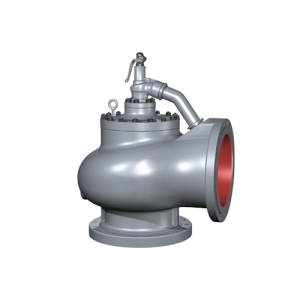
A conventional safety relief valve is a spring loaded, direct acting device that opens automatically when inlet pressure exceeds the spring force set by the compression screw. The valve pops open to discharge excess pressure and recloses once system pressure falls to the reseating point, protecting vessels, boilers, piping, and process equipment from overpressure.
Its simple construction makes it one of the most dependable and cost effective overpressure protection solutions available. Set pressure is influenced by back pressure in the discharge system, so a balanced bellows option is available for installations with variable or elevated back pressure. A wide choice of orifice sizes, materials, and trim options allows the valve to be matched to the exact relieving capacity and service conditions required.
- Direct spring loaded operation with no external power or pilot required
- Simple, robust design with easy maintenance and field adjustment of set pressure
- Full range of API orifice sizes from D to T to match required relieving capacity
- Metal seat for high temperature service, soft seat option for improved tightness
- Balanced bellows option to reduce the effect of variable back pressure on set pressure
- Open bonnet option for steam service and closed bonnet for gas and liquid service
- Lifting lever, cap, and bonnet options available to suit site requirements
- NACE MR0175 compliant configurations available for sour service
Reviews
There are no reviews yet.